
Salina Previous Resident Sources
Salina address history spans current parcel databases, a computer deed index, older media at the courthouse, city directories, census schedules, fire-insurance maps, and local newspaper files. No single source names everyone. Start with the row closest to the period being studied, then use a second kind of record to confirm the address.
| Source | Years It Covers | Where Held | What It Shows |
|---|---|---|---|
| Saline deed computer index | January 3, 1995 to present | iDoc and Register of Deeds | Grantor, grantee, document trail, available images |
| Older deed and plat media | Plats from at least 1863 | Register bound books, microfilm, aperture cards | Recorded instruments and land identity |
| Salina directories | 1905 citation; 1917, 1923, 1929, 1931, 1941 and other catalog years | Campbell Room, KSHS, FamilySearch catalogs | Name, address, business, and household clues |
| State and federal census | Kansas 1855-1925; federal release follows 72-year rule | Library microfilm and genealogy databases | Dated households and relationships |
| Sanborn maps | 1887, 1899, 1911, 1915, 1926, 1931 | Library of Congress and library leads | Building clues, not resident proof |
| Newspapers and obituaries | Runs vary | Campbell Room and local databases | Moves, deaths, family, and social context |
For a recent transfer, begin with the Appraiser and iDoc. Before the online index floor, call or visit the Register with the legal description. For household occupancy, use a directory nearest that year and pair it with census or newspaper evidence. Save a scan citation, page number, or instrument reference so another researcher can retrace the same result.
Start With the Salina Parcel
Search the Saline County Appraiser by exact property address or Quick Ref ID. Save the Name, tax-roll Address, Situs Address, Tax ID, and Legal Desc. Situs means the parcel's physical place. The tax-roll address may be where an owner or fiduciary receives mail, so it is not proof of present occupancy.
The legal description is the best bridge to older records. It identifies land by lot, block, section, or another recorded description even when the street line looks different. County GIS can show the polygon, but the county warns that its tax maps are not legal surveys.
Trace Salina Past Owners
The iDoc Market selector says Saline County computer indexing begins January 3, 1995, images are available, and back-indexing continues. A login or paid access may be needed for some functions. When that route fails, the Register can help identify the last deed by phone, email, or at the counter.
- Pull the present tax-roll name and legal description from the Appraiser.
- Find the current purchase deed and record its grantor, grantee, date, and instrument or book/page reference.
- Take the seller and search that name as a grantee in the next older purchase.
- Confirm that the legal description stays continuous. A similar address alone is not enough.
- At the computer-index floor, continue through deed books, microfilm, aperture cards, or other preserved media.
- Grantor and grantee
- The grantor gives an interest in land. The grantee receives it.
- Chain of title
- The linked sequence of recorded transfers for one parcel.
- Legal description
- The land description used in deeds and plats. It is more durable than a mailing label.
The captured iDoc county selector documents the online starting point.
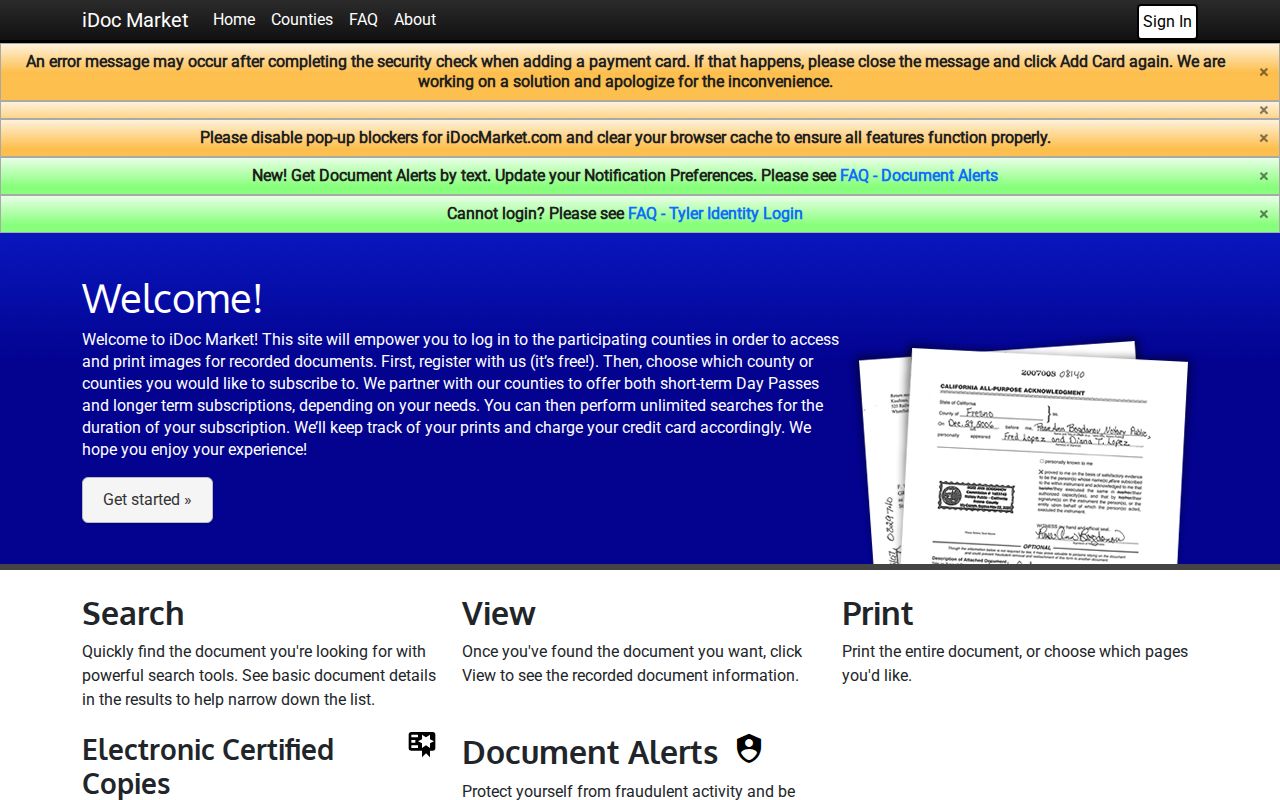
The notice is a cutoff for computer indexing, not a claim that older deeds vanished. The office's historical media continues the trail.
Salina Plats Bridge Old Addresses
Saline County preserved and de-acidified plats dating from 1863. Those plats help resolve a split lot, subdivision, annexation, or old metes-and-bounds description. Salina's 1858 townsite used a rectangular grid west of the Smoky Hill River, and its original street system was not shifted to follow the railroad. That continuity can help, but no official citywide renumbering year was found.
When an old address does not match, compare the deed's legal description with original plats, city maps, Sanborn sheets, and annexation ordinances. A 2024 ordinance annexed land near Water Well Road, I-135, and Dry Creek, showing why edge addresses may move between city and county descriptions.
Map Salina Houses Over Time
Sanborn fire-insurance sheets show the outline, use, street width, and construction of buildings. Salina sheets are available for 1887, 1899, 1911, 1915, 1926, and 1931. They can show whether a building stood on a lot in a given year. They cannot name every person who lived there or prove title.
Use the map between deed and directory steps. The Library of Congress 1887 Salina gallery contains eight sheets. If a parcel stayed the same but a structure changed, a sheet may explain why past residents disappear between editions.
Salina Past Household Evidence
Owners are only one layer. A city directory may name the householder, spouse, business, or address, and a criss-cross directory begins with the street. Kansas state census film reaches from 1855 through 1925. Public federal schedules add a dated household under the 72-year release rule. The exact Salina shelf run still needs confirmation, so use known catalog years rather than assuming an annual volume.
- Choose the directory closest to the event date and copy the entry exactly.
- Check the next available edition for surname or address changes.
- Pair the nearest public census year with the address, allowing for spelling variants.
- Use newspapers, the obituary index, and probate to explain a death, move, marriage, or inheritance.
The collection detail belongs on the Salina city directory page. For an address trail, date each entry and compare it with the deed sequence.
Lawful use. Research previous residents for house history, genealogy, or estate work. Never use a record trail to harass, threaten, or track a living person.
Campbell Room Address Research
The Salina Public Library Campbell Room holds directories, newspapers, census film, maps, photos, and local indexes. Staff accept questions by phone or email when a requester supplies exact names and dates. The library does not promise a full title abstract or publish a house-history fee schedule.
Ask a narrow question: one address, one surname, and a short date range. For a formal ownership chain or certified instrument, return to the Register of Deeds.
Salina Previous Residents in Archives
The Kansas Historical Society catalog searches by keywords, title, creator, type, and date range.
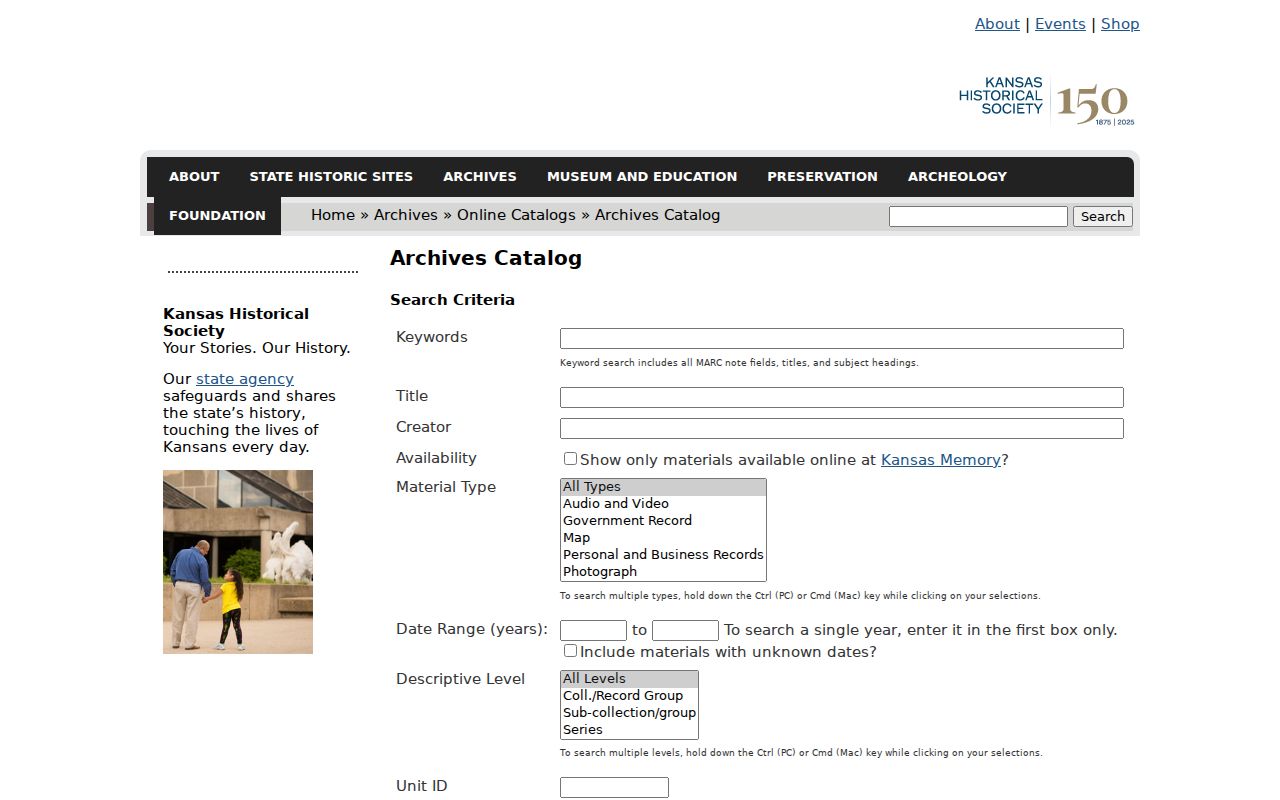
Try both Salina and Saline County with a surname, school, business, railroad, or land term.
The Saline County History Collection covers 1865 through 1917 and includes land transfers, school records, and local ledgers.
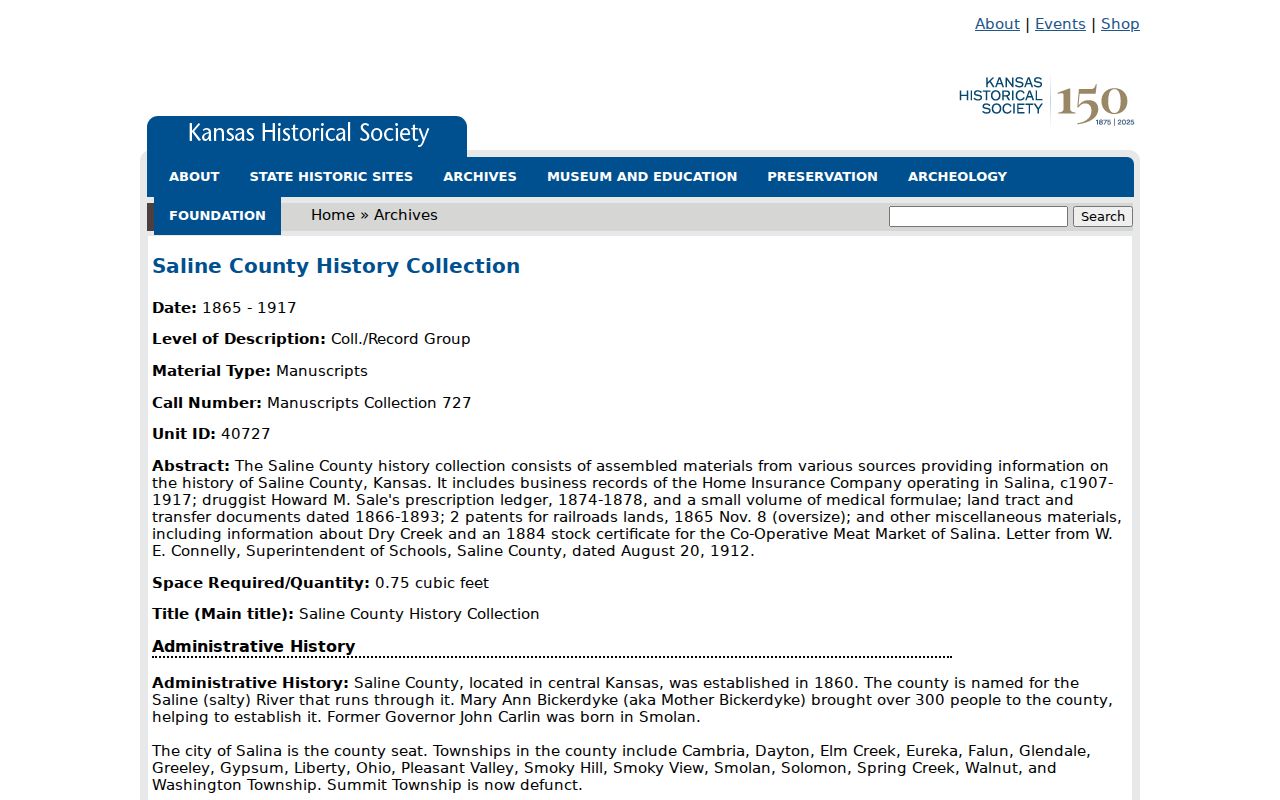
The manuscripts extend the story before the modern index. Tie each clue back to a recorded deed or plat.
Close a Salina Resident Trail
An obituary can connect a former occupant with relatives, a death date, a cemetery, and a newspaper issue. Probate may explain how land passed after death, but it is a separate court file. Gypsum Hill's public cemetery search can supply interment, birth and death dates, and grave location. None replaces a deed.
For each previous resident, keep the name as printed, address, date, record type, and source. Mark ownership only when a deed or tax record supports it. Mark residence only when a directory, census, or dated occupancy source supports it.
Note: A past owner's name is a lead to previous residents, not proof that the owner occupied the Salina property.